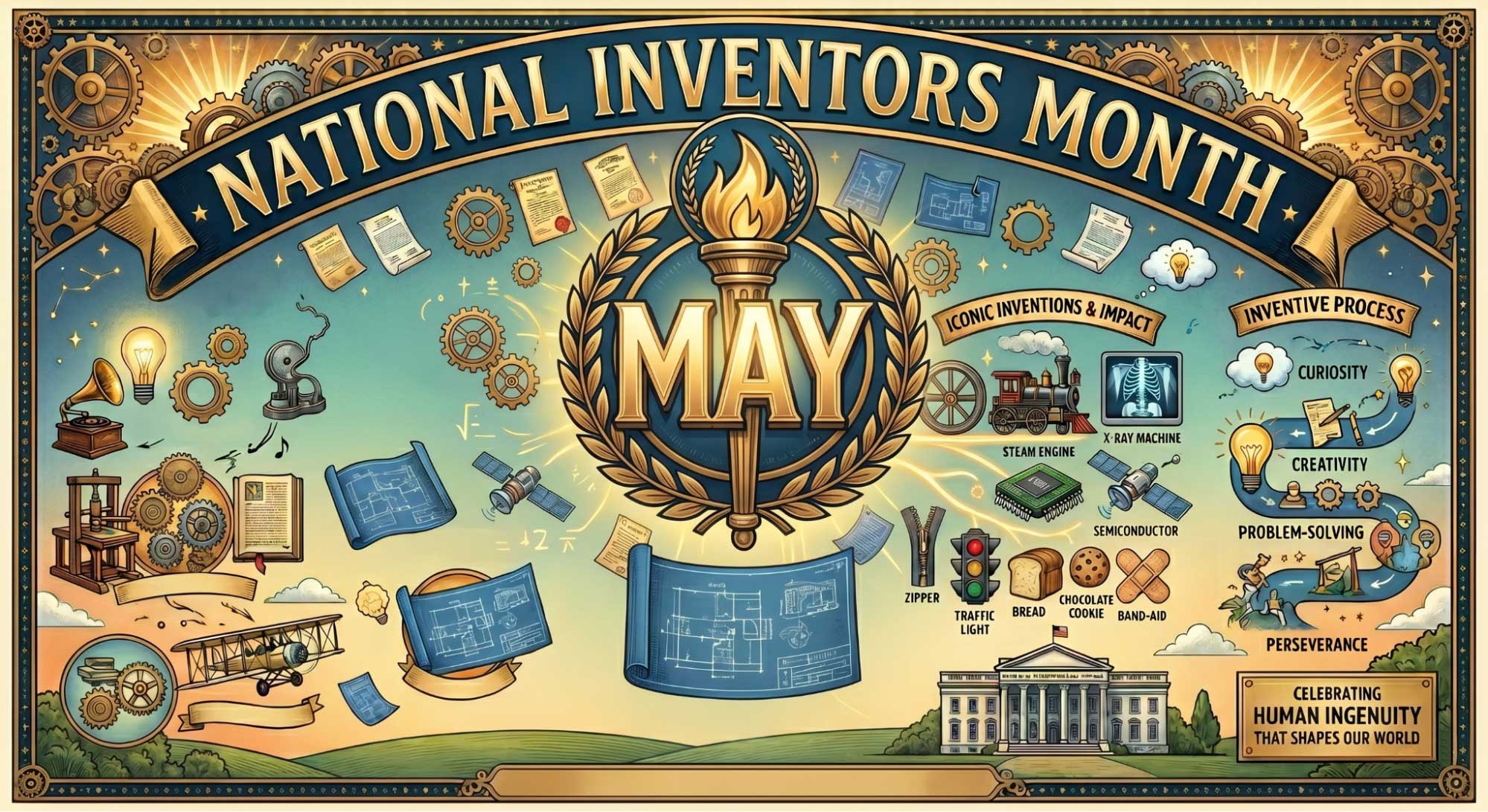


National Inventors Month takes place in May in the United States, which is a month dedicated to honoring inventors and their contributions to society. The aim is to recognize individuals who think outside the box, question everything, and take their thoughts from concept to creation.
The program started in August 1998 from the joint effort of the United Inventors Association of the USA (UIA-USA), the Academy of Applied Science, and Inventors’ Digest, whose main objective was to emphasize creativity, curiosity, and experimentation.
The recognition gradually shifted from August to May, coinciding with the National Inventors Hall of Fame induction ceremony and academic schedules, thus making it simpler to integrate the culture of innovation in classrooms when curiosity is at its peak.
The essence of this particular month is the journey behind every invention. Some ideas change the world, others quietly improve everyday life, but all of them come from persistence, trial and error, and the drive to keep going.
In this blog, we will take that forward by exploring a few notable patents connected to the month of May, along with inventors born in May, celebrating both the ideas and the people behind them.
Famous Patents Granted in May
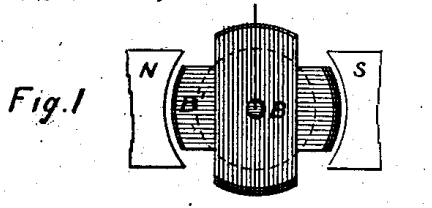
US382280A – Electrical Transmission Of Power by Nikola Tesla
Nikola Tesla’s patent US382280A granted on May 1, 1888, marked a breakthrough in alternating-current (AC) power systems. The patent introduced a practical method for transmitting electrical power using AC through synchronized generators and motors driven by rotating magnetic fields. At a time when direct current (DC) systems dominated the industry, Tesla’s invention demonstrated a more efficient and reliable approach to power transmission and motor operation. The concepts disclosed in this patent later became the foundation of modern AC power distribution systems used worldwide.
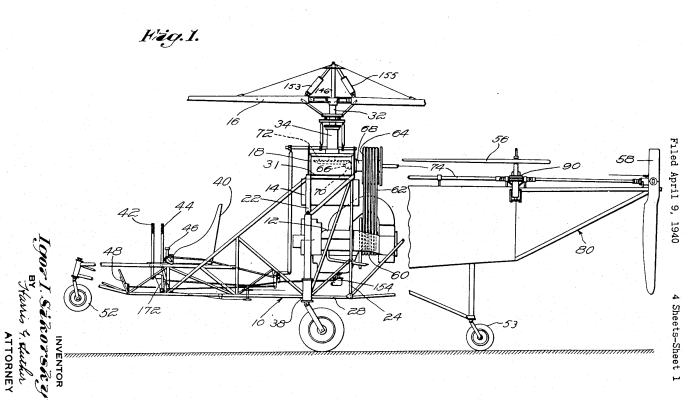
US2318260A – Helicopter and controls therefor by Igor I Sikorsky
Igor Sikorsky’s patent US2318260A, titled “Helicopter and controls therefor” was granted on May 4, 1943. Sikorsky became one of the most influential pioneers in aviation through his groundbreaking work in helicopter engineering. Although he first gained recognition for designing fixed-wing aircraft, his greatest achievements came from developing practical helicopters capable of stable vertical flight. His patent introduced important improvements in helicopter stability, lift, and control systems, and helped establish the single-main-rotor design with a tail rotor for balance and maneuverability, a configuration that remains standard in most modern helicopters today.
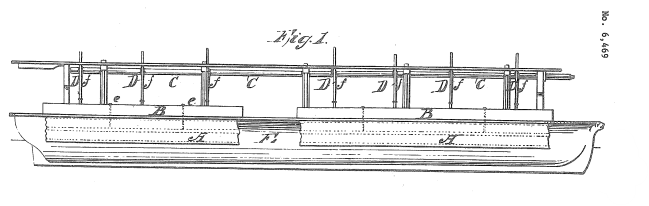
US6469A – Buoying vessels over shoals by Abraham Lincoln
Abraham Lincoln is widely remembered for his leadership, but he also made history as the only U.S. president to hold a patent, US6469A, titled “Buoying Vessels Over Shoals,” granted on May 22, 1849. Inspired by his experiences with boats becoming stranded in shallow river waters, he designed a system of inflatable air chambers attached to a vessel’s sides that could be expanded to lift the boat over sandbars and other obstructions. Although the invention was never commercially produced, it reflected Lincoln’s practical problem-solving ability, mechanical curiosity, and inventive mindset beyond his political achievements. .
US821393A – Flying-machine by Orville Wright and Wilbur Wright
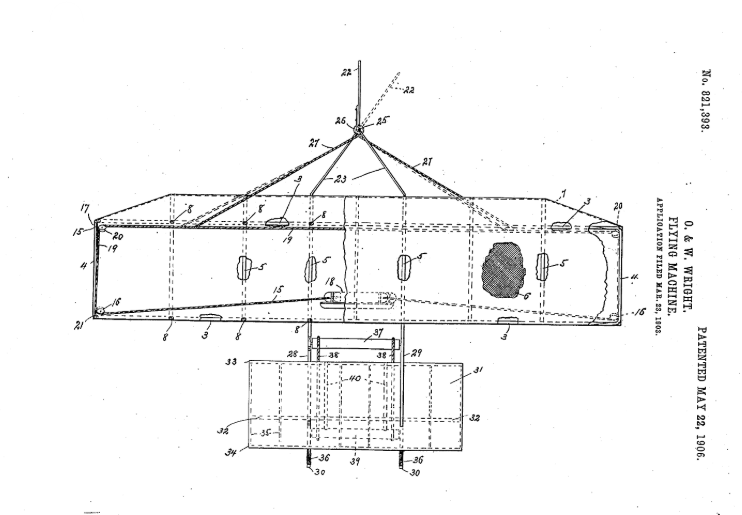
The Wright brothers, Orville Wright and Wilbur Wright, the pioneering brothers who made controlled powered flight a reality, their groundbreaking work was formally recognized when they were granted patent US821393A, titled “Flying Machine,” granted on May 22, 1906. The Wright brothers revolutionized aviation through their development of the three-axis control system, which made controlled and stable powered flight possible. Their patent focused not only on the aircraft itself, but also on the method of controlling flight, an innovation that became the foundation of modern aviation and remains fundamental to aircraft design today.
Patent Inventors Born in May
James Dyson – Vacuum Cleaning Appliance
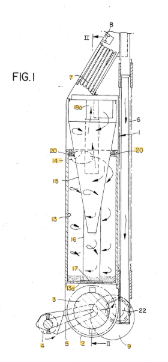
James Dyson, born on May 2, 1947, is the visionary behind the patent US4593429A, a groundbreaking vacuum cleaning appliance that revolutionized household cleaning by eliminating the need for traditional dust bags. Inspired by industrial cyclone technology, Dyson developed a system that uses centrifugal force to separate dust from air, ensuring consistent suction and improved efficiency.Despite early resistance from established manufacturers, his persistence led to the creation of Dyson Ltd., which successfully commercialized the innovation and transformed the global vacuum cleaner industry.
Elijah McCoy – Improvement in Lubricators for Steam-Engines
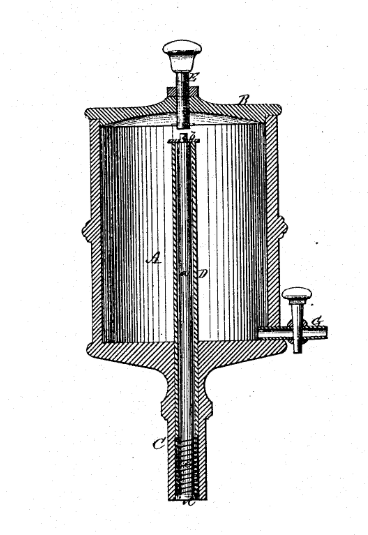
Elijah McCoy, born on May 2, 1844, left a major mark on industrial engineering through his invention described in patent US129843A, granted on July 23, 1872, for an “Improvement in Lubricators for Steam-Engines.” His device automatically delivered oil to moving engine parts while the machinery continued operating, solving a major problem of the time. Earlier steam engines had to be stopped frequently for manual lubrication, which caused delays, reduced efficiency, and increased wear on equipment. McCoy’s invention allowed engines to run more smoothly, safely, and reliably by maintaining a steady flow of oil during operation. The innovation became widely adopted across railroads and factories, and its reputation for quality was so strong that engineers were said to ask for “the real McCoy,” a phrase that later became associated with authenticity. His contribution remains one of the most significant advancements of the industrial age.
Marian Rogers Croak – VoIP related inventions
Marian Rogers Croak, born on May 14, 1955, is a pioneering inventor in digital communications with over 200 patents, best known for advancing Voice over Internet Protocol (VoIP) technology, which enables voice calls to be transmitted over the internet instead of traditional phone networks. One of her notable patents, US7599359B1, describes a system for monitoring end-to-end performance in packet-switched VoIP networks by collecting call and connection data from devices such as IP phones and gateways, sending the data to a centralized repository for analysis, and identifying network segments responsible for call defects, helping service providers quickly detect and resolve communication issues.
Robert Koffler Jarvik – Surgical Stapler
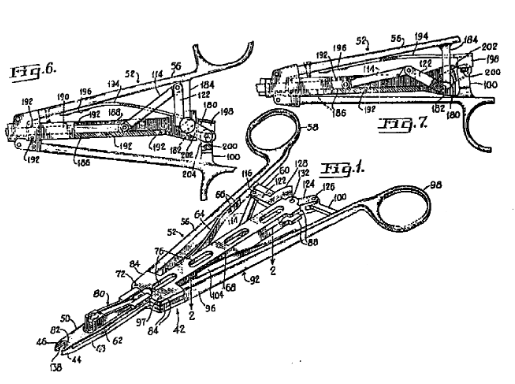
Robert Koffler Jarvik, born on May 11, 1946, contributed to medical technology with German patent DE2744816C2, granted on June 21, 1979, for a surgical stapler device designed to improve the efficiency and reliability of wound closure during surgical procedures. His innovation focused on enabling surgeons to apply consistent, precise staples to tissue, reducing operation time, minimizing complications associated with manual suturing, and improving patient recovery outcomes, and this advancement formed part of the broader evolution of modern minimally invasive surgical tools, reinforcing Jarvik’s reputation as an influential figure in biomedical engineering and medical device innovation. He is also known for his role in developing the Jarvik-7 artificial heart.
Conclusion
As we celebrate National Inventors Month, MaxVal proudly recognizes the inventors, innovators, and visionaries, whose ideas continue to shape the world around us. Every invention represents curiosity, persistence, and the courage to turn challenges into opportunities, driving progress across industries and everyday life. In this journey of innovation, intellectual property plays a crucial role in protecting ideas, encouraging creativity, and supporting the commercialization of breakthrough technologies.
At MaxVal, we remain committed to empowering innovators and strengthening the global IP ecosystem through our expertise in patent research, analytics, and innovation support, helping transform ideas into valuable assets for the future.