Innovation doesn’t just happen in labs—it often plays out in courtrooms. From billion-dollar pharmaceutical breakthroughs to game-changing inventions, landmark patent cases are not merely legal disputes—they establish precedents that define the scope of patentability, ownership rights, and the boundaries of technological progress. For innovators, understanding these cases is essential to navigating the complex intersection of creativity, commerce, and law.
Several well-known patent landmark decisions include: Diamond vs. Chakrabarty (1980), which addressed whether genetically modified creatures are patentable while stirring disputes about ethics and patenting life forms; Mayo v. Prometheus (2012), in which diagnostic and personalized medicine patents based on natural laws were tightened and restricted, prompting biotech companies to reconsider how they protect their ideas.
Here are five more pivotal legal battles:
1) Redefining “Obviousness” [KSR v. Teleflex (2007)] Teleflex, Inc. patented an adjustable gas pedal with an electronic sensor, while KSR International Co. argued it was merely an obvious combination of existing technologies. The U.S. Supreme Court rejected the rigid “teaching-suggestion-motivation” standard, favoring a more flexible approach to assessing obviousness. This raised the bar for patentability, preventing monopolies based on simple design changes and promoting meaningful innovation.
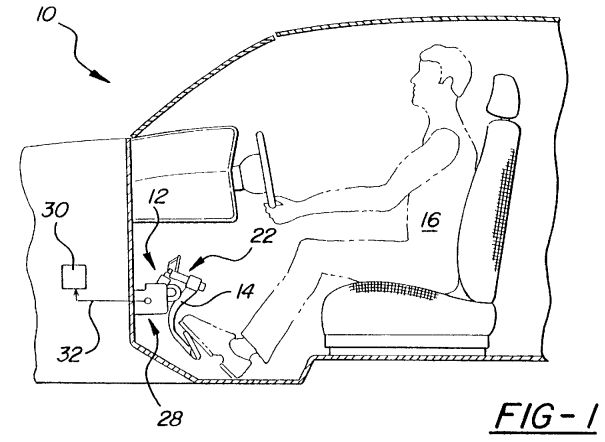
[Source: US6237565B1]
Start-ups must now demonstrate truly novel steps instead of minor tweaks, reducing weak patents that hinder competition. Practitioners should emphasize unexpected results or technological benefits, as the ruling rewards impactful advancements over routine combinations.
2) Drawing the Line on Abstract Claims [Bilski v. Kappos (2010)]Bernard Bilski sought to patent a method for reducing risk in the energy market, but the USPTO rejected it, sparking debate over whether business methods are patentable and if the “machine-or-transformation” test is definitive. The U.S. Supreme Court ruled Bilski’s claims were abstract and clarified that the test is a guideline, not the sole criterion. While the decision did not bar business method patents entirely, it set the stage for broader scrutiny in subsequent rulings.
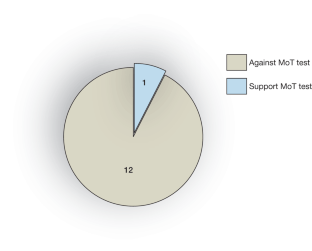
[Source: Bilski v. Kappos: the US Supreme Court broadens patent subject-matter eligibility]
Start-ups built on innovative business models must now link their ideas to tangible technical solutions, as abstract concepts alone are not patentable. Practitioners must carefully frame claims to avoid rejection, a principle reinforced by Alice Corp. v. CLS Bank (2014). The ruling introduced stricter examination of broad claims, especially in fintech and e-commerce
3) The First Compulsory License in India [Bayer v. Natco Pharma (2012)]
Bayer Corporation patented Nexavar, a cancer drug costing about ₹2.8 lakhs ($3,184) per month in India. Natco Pharma applied for a compulsory license to sell a generic version at ₹8,800 ($100), raising the question: Should patents yield when life-saving drugs are unaffordable? The Indian Patent Office granted the first-ever compulsory license, awarding Bayer a 6% royalty. This landmark decision balanced healthcare needs with intellectual property rights, signalling that public interest can take precedence over patent exclusivity.

[Source: Bayer Corporation v. Union of India [162(2009) DLT 371]]
The case reminds pharmaceutical innovators to factor public health into pricing strategies, especially in markets like India. It underscored how compulsory licenses can counter excessive drug costs and reinforced that patent protection should not obstruct access to critical medicines.
4) When the Inventor Isn’t Human [Thaler v. Comptroller (2021)]
Dr. Stephen Thaler filed European patent applications naming DABUS, an AI system that autonomously generated the inventions, as the sole inventor. He argued that since the AI created the concepts, it should be legally recognized. The key question was: Can an AI system be considered an inventor under the European Patent Convention (EPC)? The European Patent Office rejected the applications, confirming that an inventor must be a natural person. While AI-assisted inventions are patentable, the listed inventor must be human, reaffirming traditional standards.
For AI-driven research, companies must still attribute inventorship to individuals—such as researchers who design, train, or direct the AI. Startups using AI in R&D should document human contributions, not just the AI output. This ruling continues to influence debates on whether patent law should adapt to address AI-generated innovation.
5) Reviving Patents Through Fairness [Sonos v. Google (2025 Appeal)]
Sonos, Inc. sued Google LLC for allegedly infringing patents related to multi-room audio systems and smart speakers. A lower court invalidated one of Sonos’ key patents due to late filing, raising the question: Should delayed filings automatically invalidate a patent, or must harm be proven? In August 2025, the Federal Circuit reinstated Sonos’ patent claims, ruling that Google failed to demonstrate any prejudice from the delay. The decision boosts confidence among patent owners facing procedural hurdles while ensuring consumer technology innovations, such as IoT and smart speakers, are fairly protected.
The case signals to innovators that, without evidence of competitive harm, procedural missteps do not necessarily void important patents. Practitioners may rely on this ruling to justify late submissions – while still remaining cautious about timelines – emphasizing that fairness can prevail over technical errors.
To summarize, patent law is about more than just protecting ideas. It is about influencing the innovation landscape for future generations. Looking ahead, new age fields like AI and gene-editing tools, such as CRISPR, are likely to trigger future landmark cases.
With patent filing in these areas growing rapidly, the courts will once again be challenged to ensure the law keeps pace with innovation. The central question remains: how should the law evolve to stay equitable while keeping up with emerging technologies?
If you would like a practical next step, MaxVal offers portfolio workflows, expert services you can book to run diagnostics on vulnerable assets, and filing strategies that anticipate market and regulatory challenges.