World Intellectual Property Day is celebrated annually on April 26 by the World Intellectual Property Organization (WIPO), its member states, and a global community of inventors, creators, businesses, universities, and government agencies. Designated in 2000, it highlights the role of IP rights (patents, trademarks, copyrights) in driving innovation and creativity.
The official theme for 2026, “IP and Sports: Ready, Set, Innovate!”, highlights how IP helps to leverage the legal protection and commercialization of sports related products. IP protects the entire sports spectrum from tangible objects like suits, footwears, gloves, tennis rockets, wearable tracking devices to intangible objects like mascots, team brands, athlete names, signatures etc. From football to Olympics, from track to virtual reality games, IP plays a vital role via patents, trademarks, and copyrights.
In this blog, we explore key IP innovations in sports and the athletes behind them.
Patents
While the sports ecosystem includes a wide range of patented innovations, this section focuses specifically on athletes who are also inventors, sportsmen who have translated their on-field experience into patented ideas and innovations.
Shawn Springs (US8863320B2)
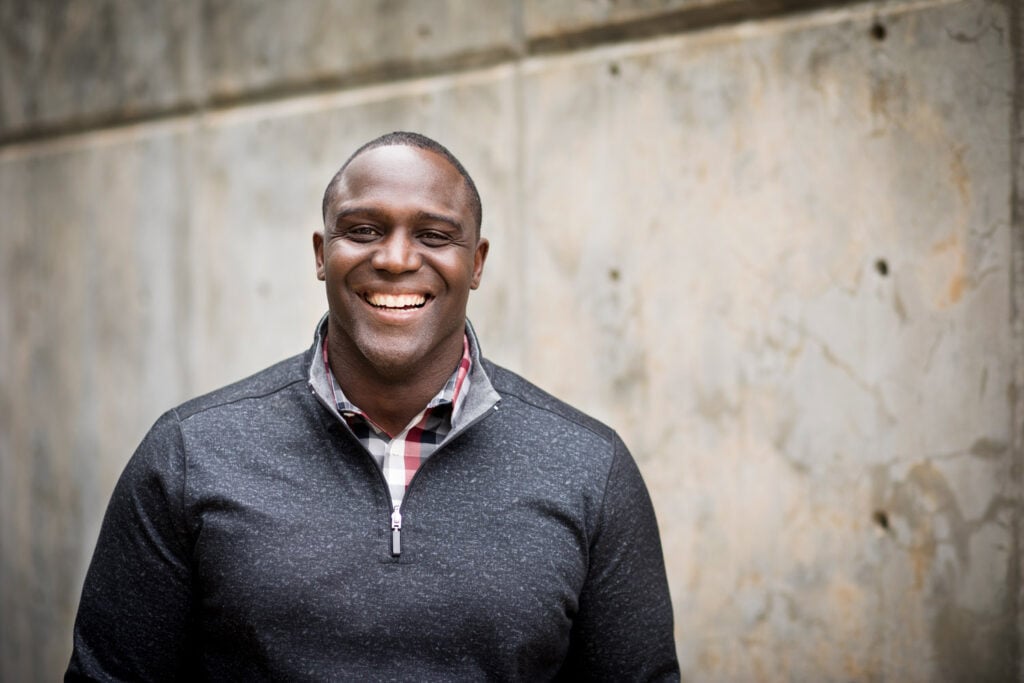
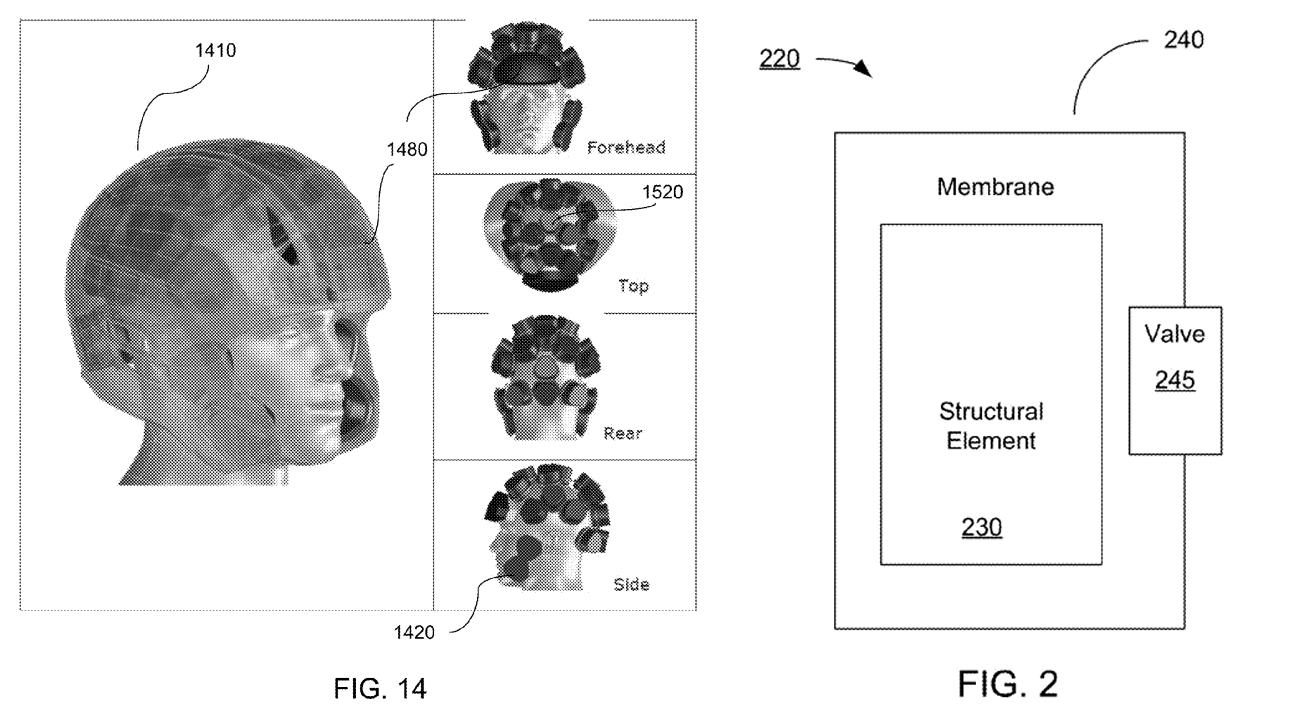
Shawn Springs, a former American professional football player in the National Football League (NFL) for 13 seasons, is one of the inventors for the Impact absorbing apparatus described in the patent US8863320B2. The patent discloses an impact absorbing pad and a protective head device that can operate in the high-energy impact absorption mode and low-energy impact absorption mode. The pad includes a structural element, a membrane defining an interior volume, and a valve that restricts air flow to the interior volume. This approach enables the pad to adapt to different impact scenarios, providing enhanced performance for both high and low energy impacts.
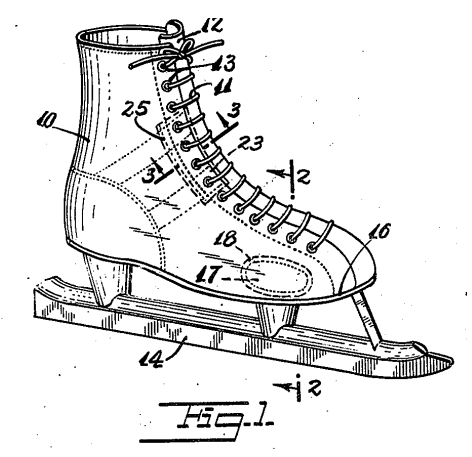
Jewtraw Charles (US2312911A)
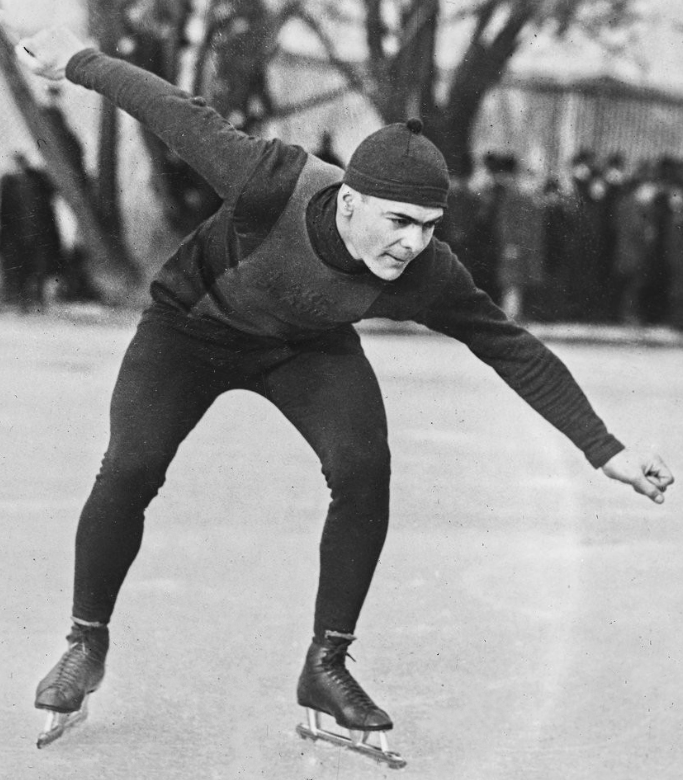
Jewtraw Charles was an American speed skater, who won the first gold medal (in the 500 m) at the first Winter Olympics in 1924. The patent US2312911A was granted to Jewtraw Charles for the improvements he made in the skate-footwear. The skate footwear describes the shoe having an ice skate attached and having an inner padding of rubber or cotton covered rubber at certain points to protect the foot of the skater.
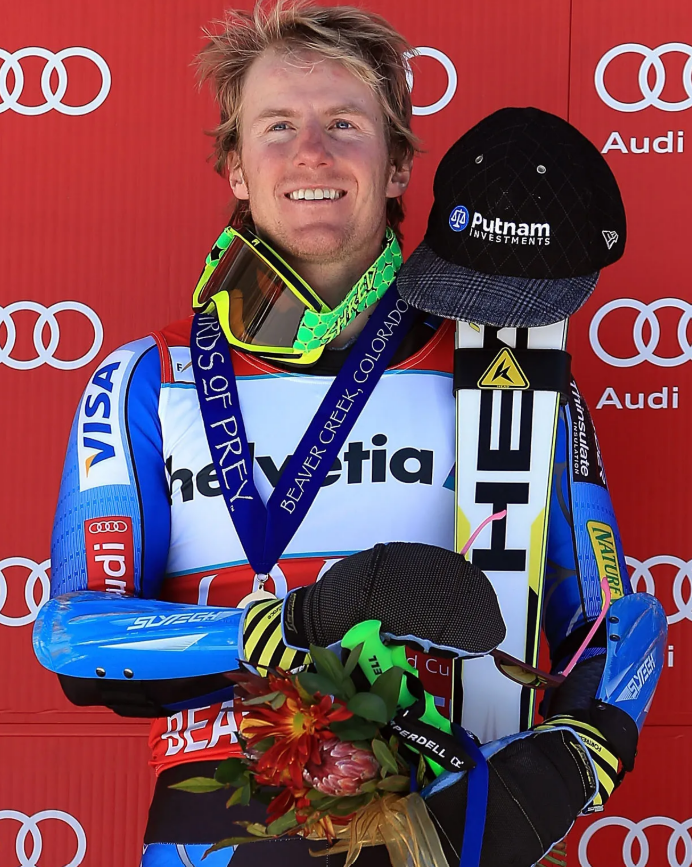
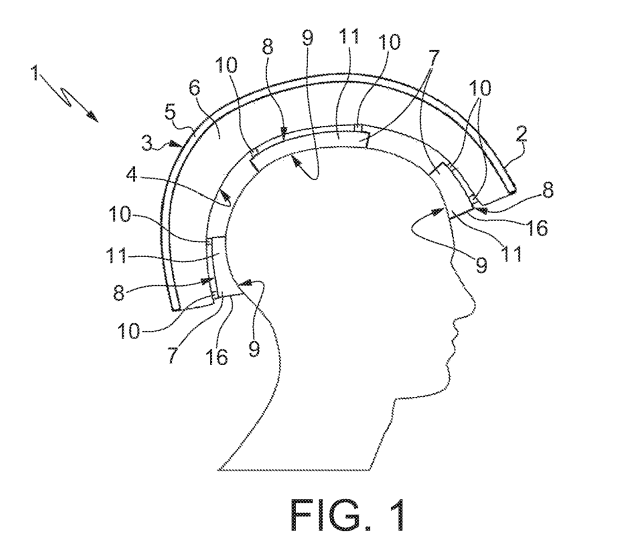
Ted Ligety (Ligety Theodore Sharp) (US10143258B2)
Ted Ligety, a retired American alpine ski racer and a two-time Olympic gold medalist, owns multiple patents including a protective helmet. The protective helmet has an outer shell, made of a rigid material, acts as a barrier against penetration and provides structural integrity and an inner shell, composed of a deformable material, that absorbs and releases energy during impacts. The inner shell is designed to deform under rotational forces, allowing for controlled movement and energy dissipation. The helmet reduces the linear and rotational stresses transmitted to the head of a user following an impact.
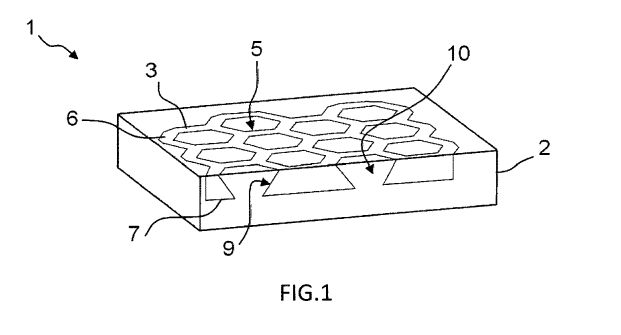
Ted Ligety also owns, US10350851B2 that discloses a composite element for protection devices of parts of the human body. The composite element utilizes a reinforcing element embedded within the matrix of lightweight polymers, enhancing impact energy absorption and penetration resistance.The reinforcing element is composed of elastic or plastically deformable materials. The composite element design ensures that the reinforcing element can adapt to various protection device geometries, improving versatility and performance across different applications.
James Ellis LuValle (US3219448A)
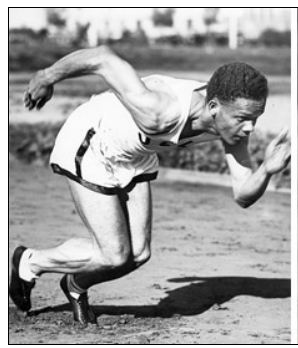
James Ellis LuValle was an American athlete and scientist. He won the bronze medal in the 400 metres at the 1936 Summer Olympics, and was an accomplished chemist. His patented works were in the field of commercial photography. One of his patents US3219448A discusses a method for manufacturing highly sensitive photographic media by utilizing vapor-deposited silver halide layers instead of traditional wet gelatin emulsions. This method allowed for more precise and stable photographic films.
Rory Alan Cooper (US12005735B2)
Source: https://www.invent.org/inductees/rory-cooper
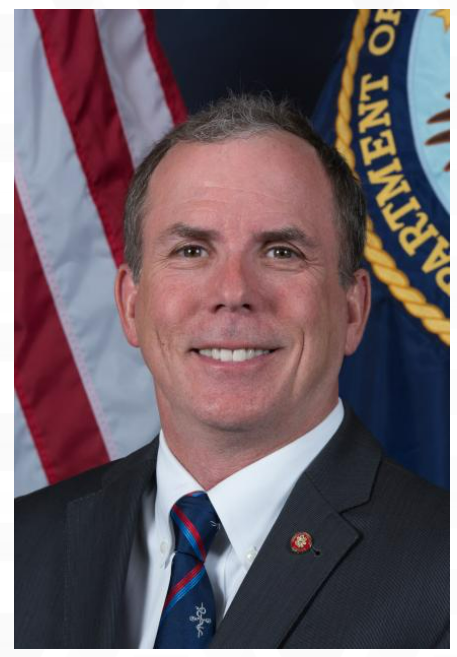
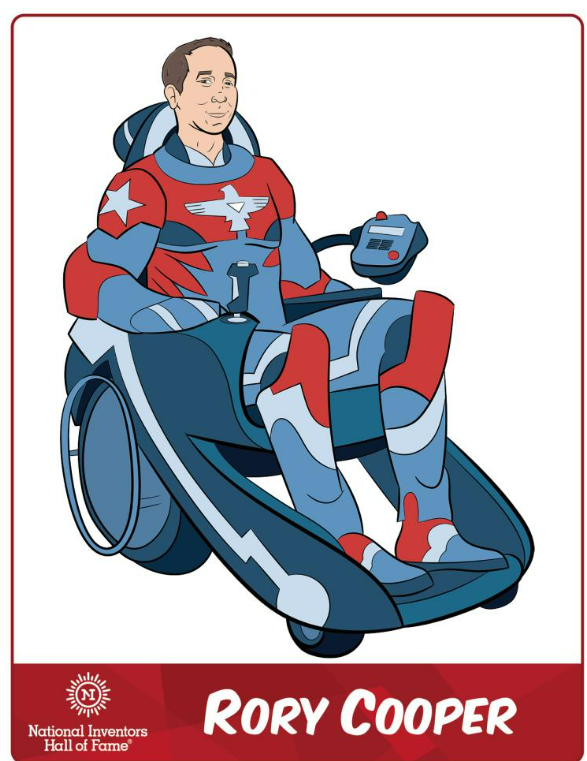
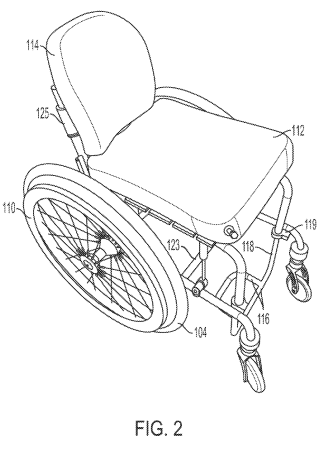
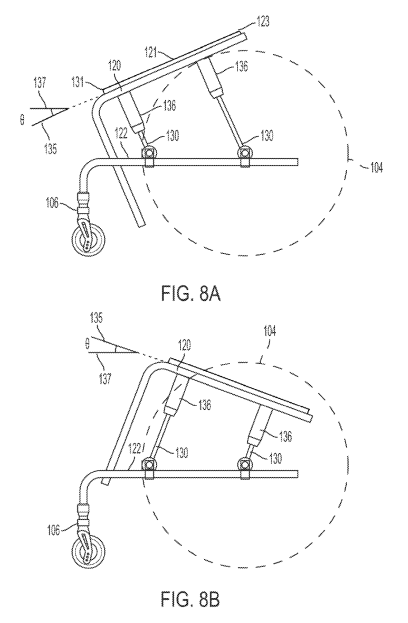
Dr. Rory Alan Cooper is a bioengineer, and a paralympic bronze medalist in 4×400-meter wheelchair relay. His works mostly revolve around wheelchairs and on assisting the persons in wheelchairs. This patent discusses an adjustable wheelchair frame that allows for precise seat and caster positioning. The frame is designed with a vertical adjustment mechanism that enables the seat to be elevated or lowered relative to the ground using threaded adjustments. The wheelchair also allows for lateral movement. The wheelchair also includes pushrim for wheelchair propulsion and a seatbelt for user safety, enabling the user to participate in multiple sports.
Garry L. Maddox (US5184815A)
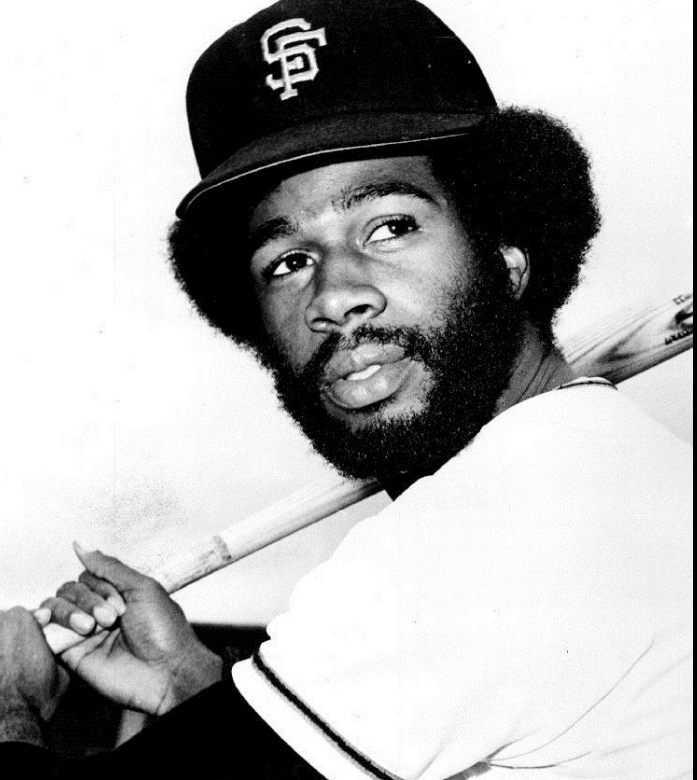
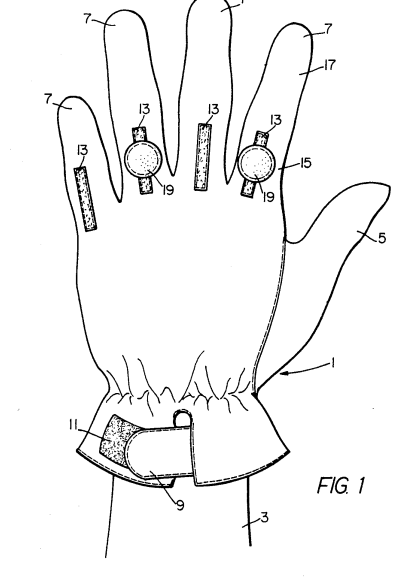
Garry L. Maddox is an American former professional baseball player owning patent US5184815A. He invented a batting glove to provide consistent and accurate guidance on finger positioning. The glove has adjustable elongated strips of fastening material along the finger portions. The strips are fastened with fasteners, allowing for easy attachment and removal of indicator buttons that assists the hitters to hold their grip correctly.
Trademarks
Trademarks transform sporting success into persistent global brands. By registering the names, iconic logos, and signature catchphrases, athletes and the sports teams secure exclusive commercial rights over their identity. Trademarks directly prevent unauthorized exploitation of sportsmen’s success and provide profitable merchandising opportunities to generate massive external revenue. Ultimately, trademarks enable the athletes to build a business environment that outlast their active playing careers. Some of the famous trademarks related to famous sports personalities are provided below.
Air Jordan
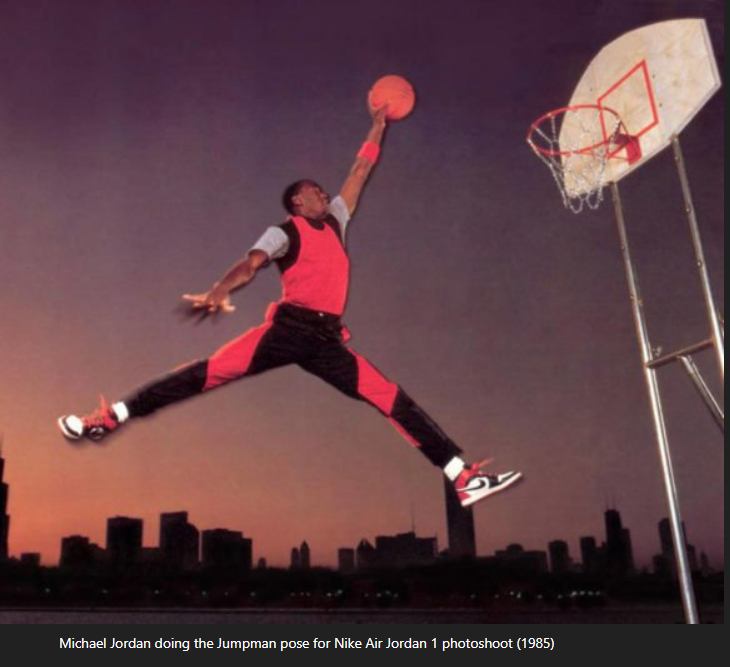
Nike Inc. owns the wordmark, logo, and other marks associated with the Jordan brand. One among them was the iconic “AIR JORDAN” wordmark which was registered in 1986 (USPTO Registration No. 1370283). The Jordan brand created an IP portfolio for Michael Jordan. The below figures illustrate the photo of the silhouette of Michael Jordan that served as inspiration to create the “Jumpman” logo in the mark, and the Air Jordan mark.
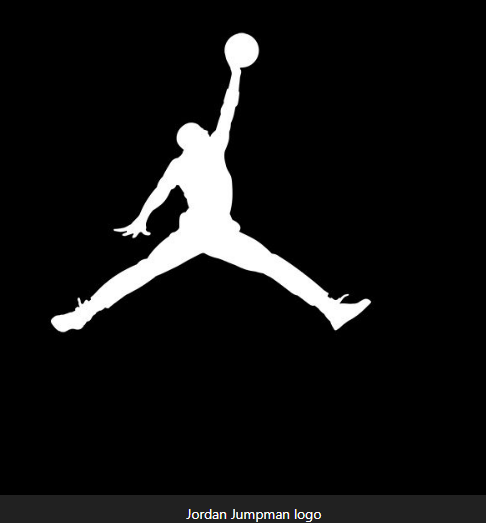
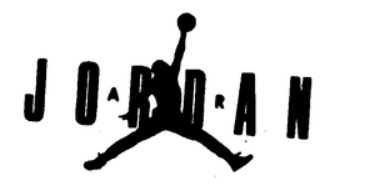
Source: https://www.nicekicks.com/history-behind-jordan-jumpman-logo/
CR7
CR7 character mark is owned by Cristiano Ronaldo, a world-renowned professional footballer and global sports icon. The CR7 is a combination of Cristiano Ronaldo’s initials (CR) and his iconic jersey number (7). The CR7 mark is registered with the USPTO under multiple classes and is being used in fashion and apparel, footwear, fragrances, hospitality, fitness and museums.
Tiger Woods
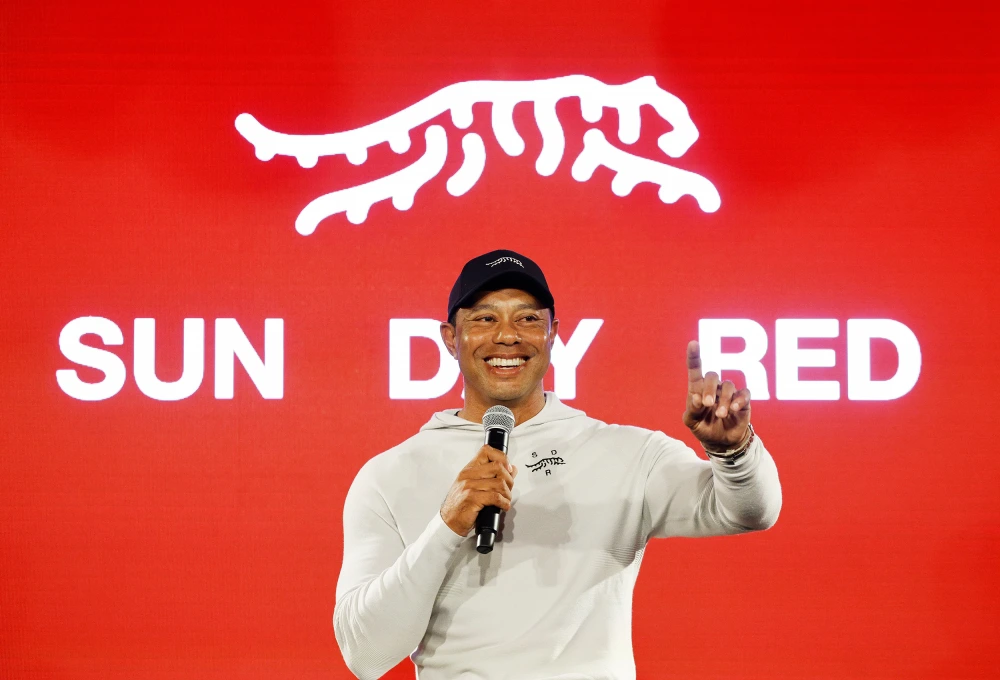
TW mark is related to Tiger Woods, a legendary professional golfer and one of the most recognizable figures in sports. While TW mark stands for his earlier association with Nike, Tiger Wood’s IP portfolio also includes registered trademarks for “TIGER WOODS” that is held through ETW Corp, covering a wide range of goods and services such as apparel, sporting goods, entertainment, video games, and golf course design. He also owns the “TGR” mark and has recently introduced the “Sun Day Red” brand (featuring the 15-Stripe Tiger logo), which is currently involved in trademark disputes with Puma and Tigeraire.
Aneres
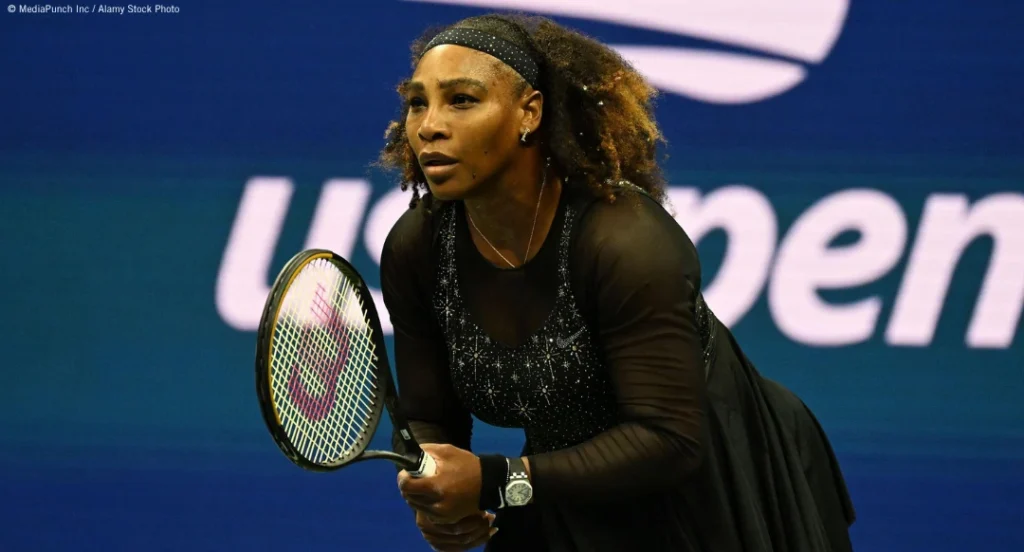
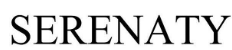
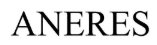
Aneres mark is owned by Serena Williams, a legendary professional tennis player and global icon. The Aneres mark stands for Serena spelled backward. Serena William’s IP portfolio includes multiple USPTO registrations for her stylized “S” logo, SW, SV, Serenaty, used across her jewelry and apparel lines and other services. These trademarks support her fashion ventures, investments, and business activities beyond tennis, ensuring exclusive rights over her brand.


Captain Cool
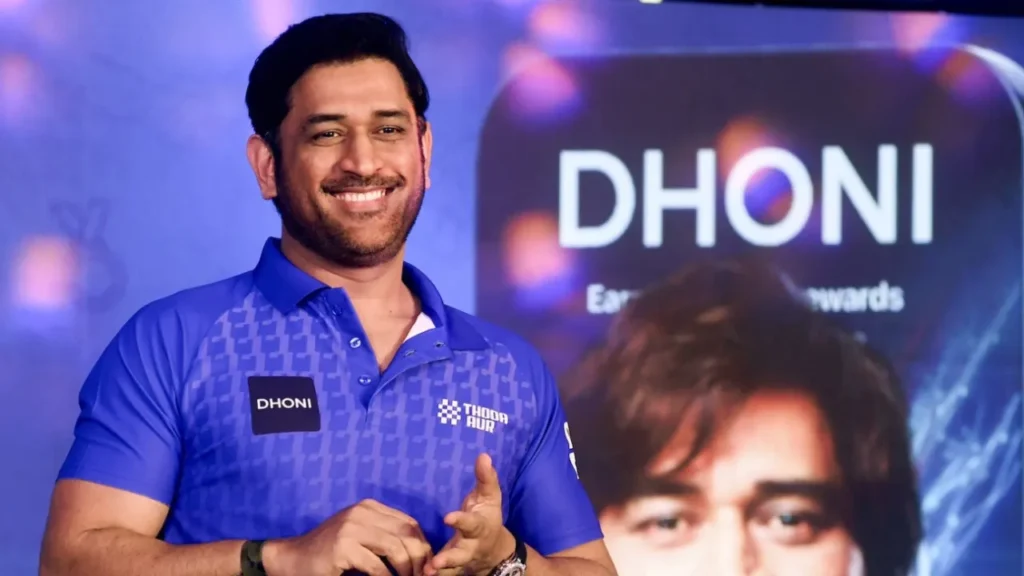
Captain Cool is a trademark secured by MS Dhoni, former Indian cricket captain, for his popular nickname “Captain Cool”, covering sports training, coaching, and related facilities.
Sonic the Hedgehog
Even the video games characters are registered under different classes of trademarks to ensure the active protection of the brand. Example: Sonic the HedgehogⓇ (USPTO registration number 4673369)
IP licensing
The copyrights are used to register the short choreography, but not to register the epic celebrating movements, leading to litigation between the sports men and the video game platforms that use the respective movements in their digital emotes.
Neymar Jr. and his Custom Emotes
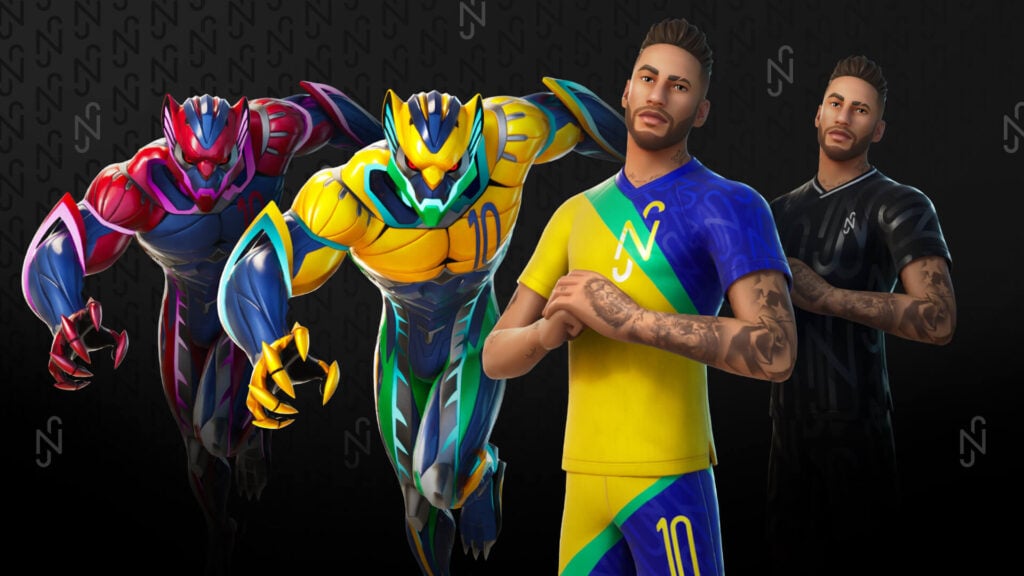
Neymar Jr. in 2021 became the very first professional athlete to be featured as a character outfit in Fortnite. Neymar Jr, licensed with Epic Games to digitize his face and his signature on-field celebrations (such as “Shhh” and “Hang Loose” ) as custom, playable emotes. By IP licensing with Epic games, Neymar achieved a guaranteed revenue, expanded his fame, and protected his brand.
Conclusion
IP plays a key role in the growth and financial strength of modern sports. It protects originality and helps secure the commercial future of innovations and athlete brands through patents, trademarks, copyrights, and licensing. At the same time, technology in sports is evolving fast in the areas like AI analytics, wearables, smart equipment etc. making IP even more important to protect and monetize these advancements.
MaxVal extends warm wishes to the entire intellectual property community on World IP Day. As we celebrate the spirit of innovation and creativity, we acknowledge the important role IP plays in driving industries forward and empowering creators. By raising awareness, fostering innovation, and respecting IP rights, we can work together to build a stronger and more inclusive IP ecosystem for the future.